
Nano satellite market will raise beyond imagination over period 2030
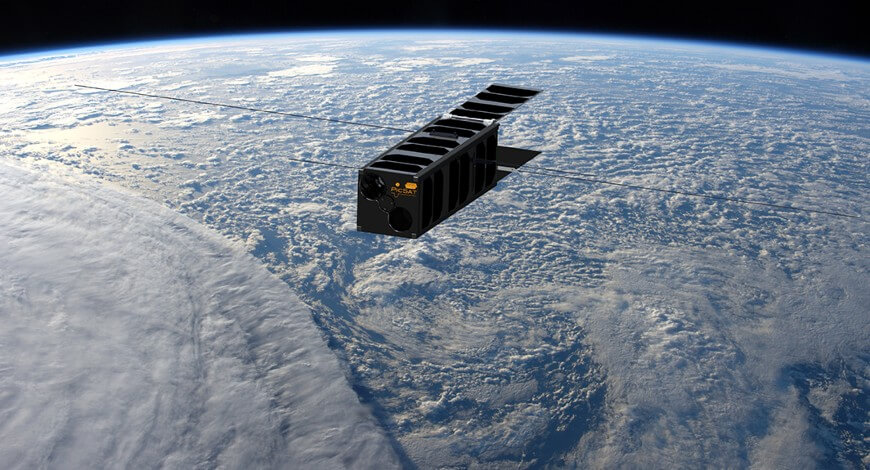
The global nano satellite market size is expected to reach USD 1,336.9 Million in 2030 and register a revenue CAGR of 20.4% over the forecast period, according to the latest report by Emergen Research.
Space Force considers asking satellite firms to host payloads for tactical ISR
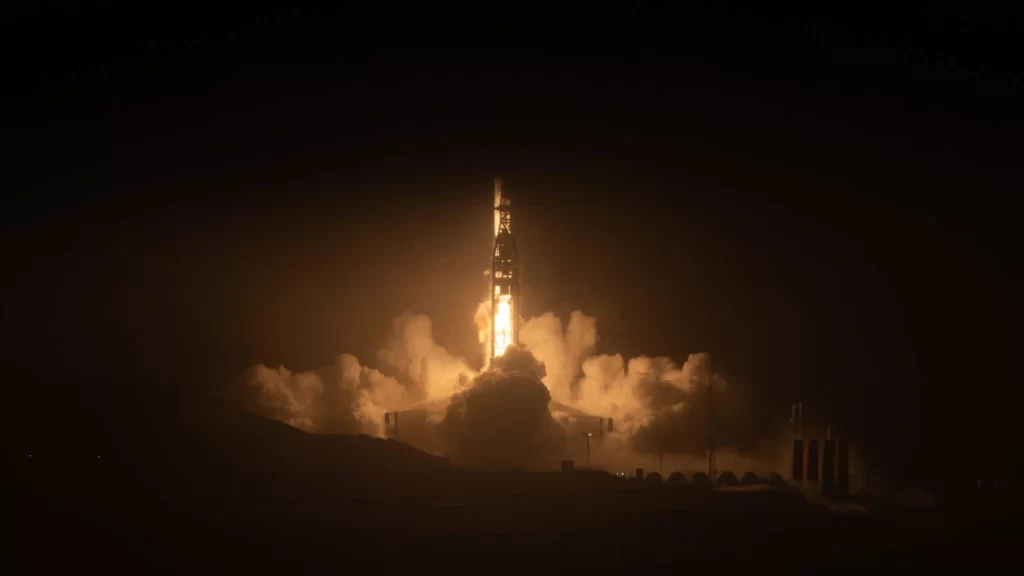
Col. Dennis Birchenough, senior materiel leader at Space System Command (SSC) Environmental and Tactical Surveillance Acquisition Delta, said Monday that the Space Force might not be ready to buy services directly like a typical customer of commercial operators
Terran Orbital Executes CAPSTONE’s Second TCM Burn
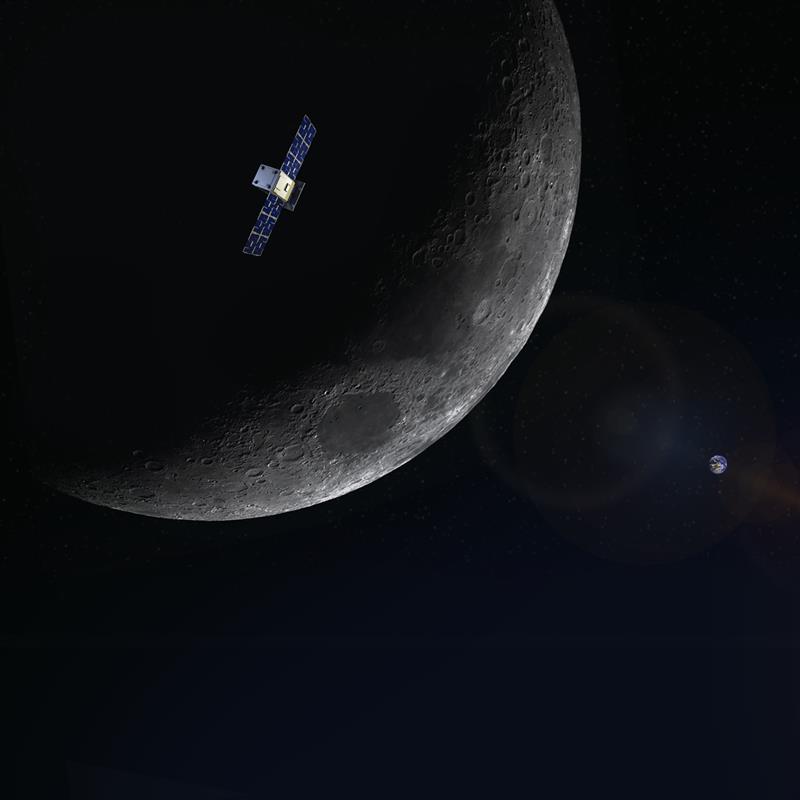
Today announced the successful completion of CAPSTONE’s second TCM burn. Much smaller than the first TCM burn, this second TCM burn demonstrates the spacecraft’s ability to perform small and precise maneuvers, a capability that is critical to operations in a Near Rectilinear Halo Orbit (NRHO).
Follow CAPSTONE’s Four-Month Journey to the Moon in Real Time
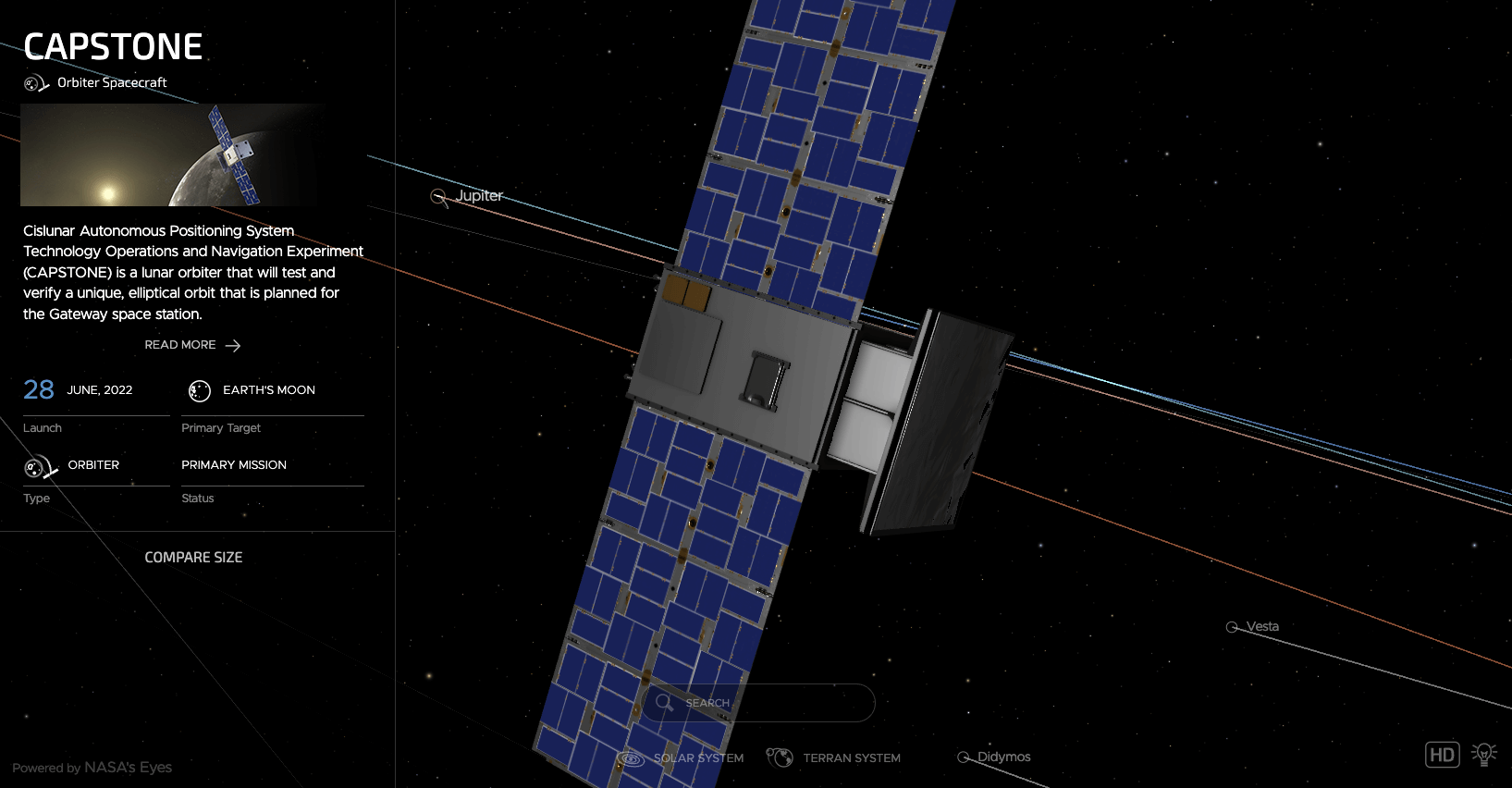
During the next four months, CAPSTONE – short for the Cislunar Autonomous Positioning System Technology Operations and Navigation Experiment – will rack up serious mileage hurtling through deep space on its traverse from Earth to the Moon.
The first episode of Views from Space

Dig deeper into the space economy with a new Public.com Live series presented by Terran Orbital.
The first episode of Views from Space is hosted by Kinsey Grant. It features McKinsey & Company aerospace and defense experts Chris Daehnick and Jess Harrington. Listen to the replay to learn how the space industry could evolve in the next decade.
Terran Orbital Appoints Jonathan Siegmann as Senior Vice President of Corporate Development

Jonathan Siegmann joins as Senior Vice President of Corporate Development. Mr. Siegmann will lead Terran Orbital’s investor relations, M&A, and venture efforts among other development initiatives.
